A Little Goes A Long Way
Your gift today is an investment in BrainTrust services that improve the lives of those with brain injury.
Donate Today
Your gift today is an investment in BrainTrust services that improve the lives of those with brain injury.
Donate Today


After living with a brain injury, I’ve learned that recovery isn’t just about appointments, therapies, and medications. It’s also about the small daily habits that help me feel my best.
Over the years, I’ve developed a routine that includes both heat and cold therapy. While everyone’s experience with brain injury is different, I’ve found that using saunas, hot showers, and cold showers has become an important part of my overall wellness routine.
For me, heat and cold serve different purposes.
Most evenings, I take a warm shower to help me relax and prepare for sleep. After a long day, especially when I’m feeling overstimulated or mentally fatigued, the warmth helps me slow down and unwind. Good sleep is incredibly important after brain injury, and creating a routine that signals to my body that it’s time to rest has been helpful.
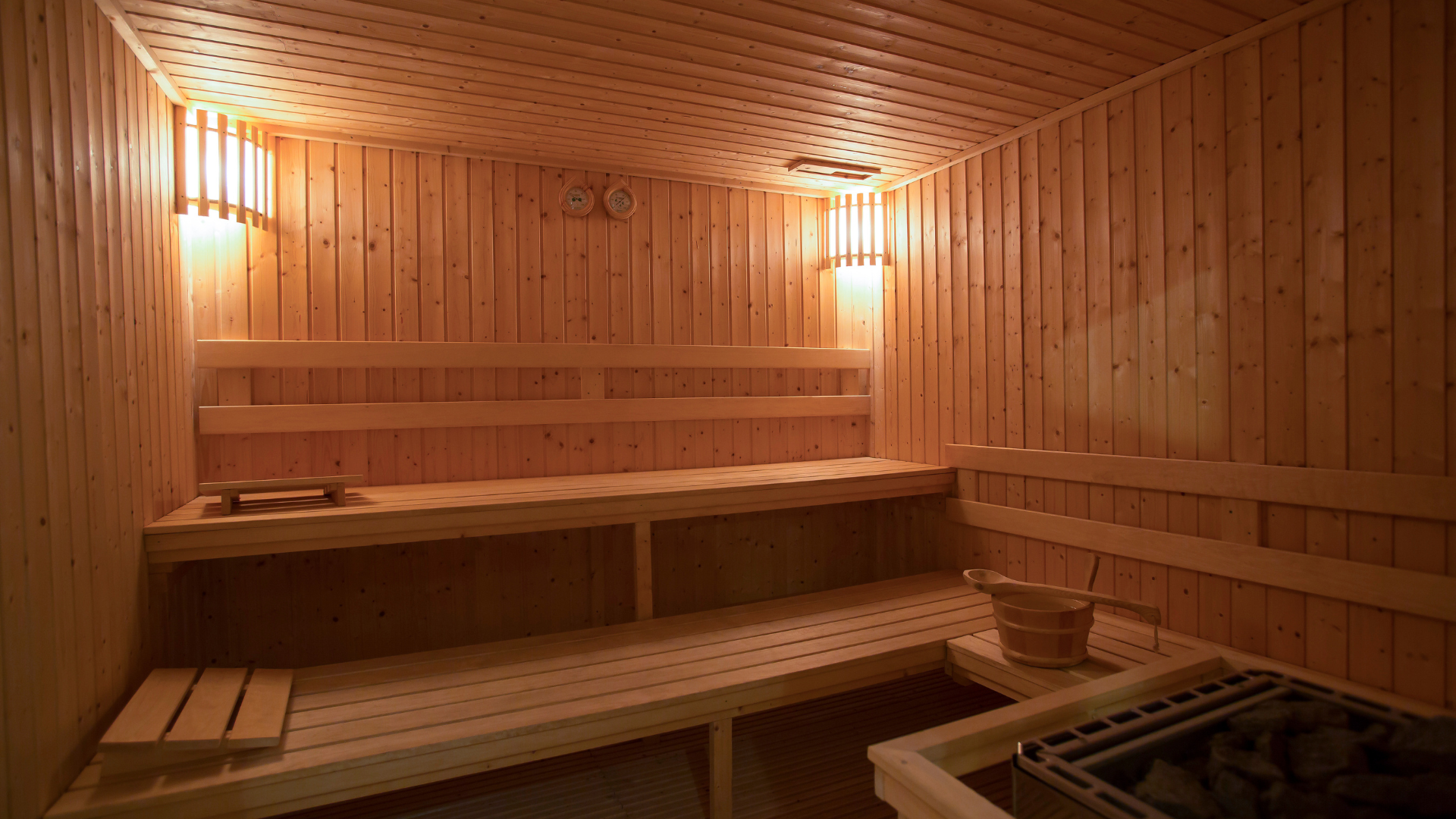
I also use a sauna several times a week, often after exercise or weight training. I typically spend 15 to 30 minutes in the sauna and have found it to be a great way to relax both physically and mentally. The heat helps ease muscle tension and gives me time to disconnect from distractions and focus on recovery.
Research suggests that regular sauna use may support cardiovascular health, circulation, stress reduction, and even brain health. Some studies have linked sauna use to increased levels of brain-derived neurotrophic factor (BDNF), a protein involved in neuroplasticity, the brain’s ability to adapt and create new connections. While I can’t measure that directly, I do know that I often leave the sauna feeling calmer, clearer, and more refreshed.
On the other hand, cold therapy plays a very different role in my routine.
Most mornings, after meditation and breathwork, I finish my shower with cold water. At first, even a few seconds felt challenging. Over time, I gradually increased the duration as my body adapted.
What I appreciate most about cold exposure is the mental challenge. When the cold water hits, every instinct tells you to step away. Learning to stay calm, control your breathing, and remain present has helped me build mental resilience that carries over into other parts of life.
Cold exposure has also become a way for me to wake up and feel alert. Some research suggests that cold water immersion can temporarily increase dopamine and norepinephrine levels, chemicals associated with focus, motivation, and attention. While I don’t focus too much on the numbers, I do notice that I often feel energized and mentally sharper afterward.
I’ve also found that cold showers can help me feel refreshed after periods of fatigue and may help reduce feelings of inflammation after exercise.
One important lesson I’ve learned is that there is no need to jump straight into an ice bath. Starting slowly is completely okay. A warm shower followed by 30 seconds of cooler water is enough to begin. Over time, the body adapts.
Safety is also important. Cold water immersion can place stress on the body, particularly for people with heart conditions or other medical concerns. Anyone considering cold plunges should speak with a healthcare professional and avoid doing them alone.
For me, the combination of both heat and cold has been the most beneficial. Warmth helps me relax, recover, and sleep. Cold helps me feel alert, focused, and mentally resilient. Together, they have become simple tools that support my overall well-being as I continue navigating life after brain injury.
Recovery looks different for everyone, but sometimes the habits that make the biggest difference are the ones we practice consistently every day.
Corbin Coulter
Brain Health Advocate