A Little Goes A Long Way
Your gift today is an investment in BrainTrust services that improve the lives of those with brain injury.
Donate Today
Your gift today is an investment in BrainTrust services that improve the lives of those with brain injury.
Donate Today


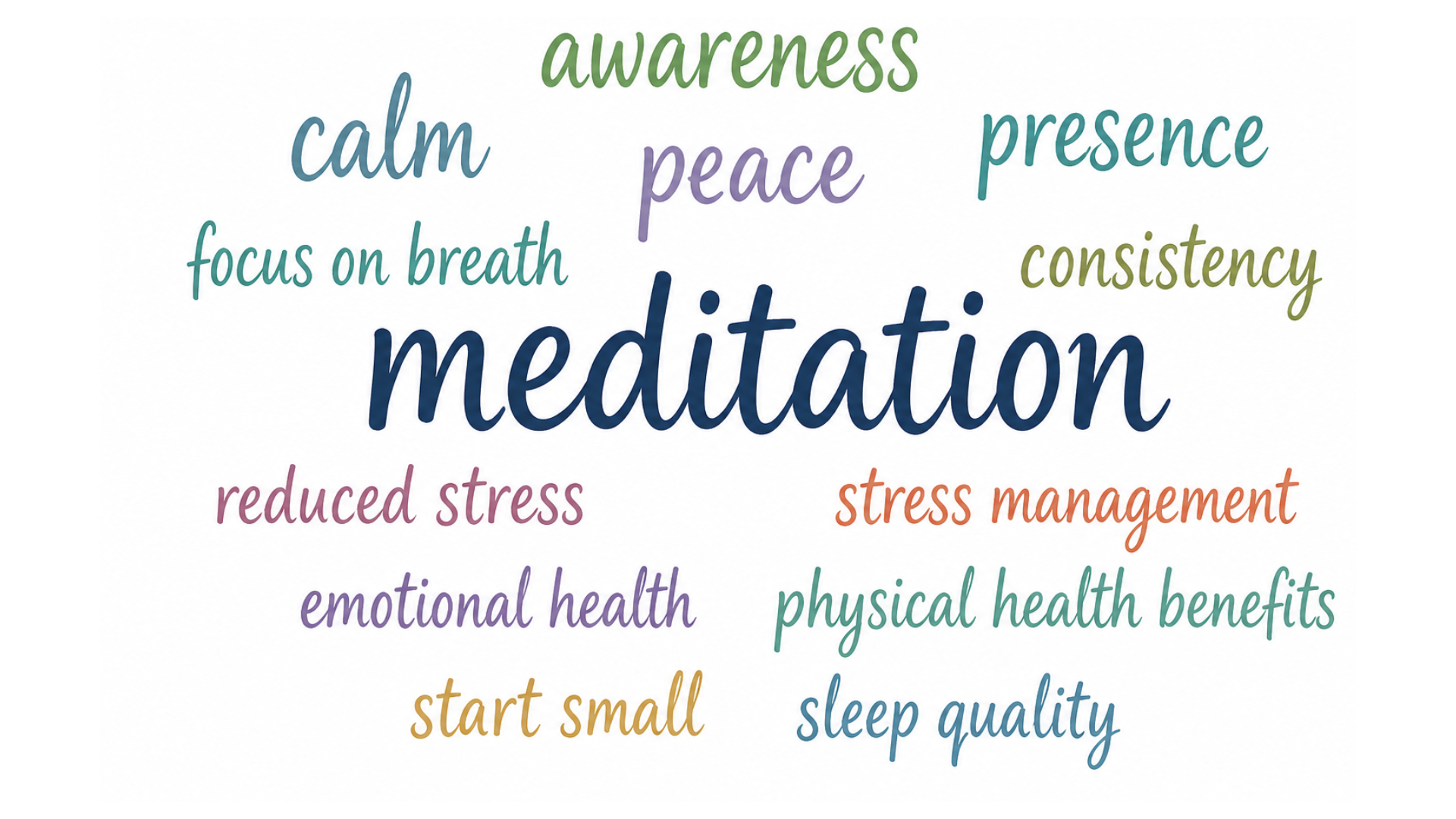
When people hear the word meditation, they often picture sitting cross-legged in complete silence, with a perfectly clear mind and no distractions. The truth is, meditation is much simpler, and much more human than that.
For me, meditation is really about awareness, presence, and creating a little bit of peace in a world that can often feel loud and overwhelming.
After living with the effects of brain injury, stress can feel heavier. Sleep can be harder. Emotions can feel bigger. Focus can be more difficult. Sometimes even the smallest tasks can feel like they require twice the energy.
That is where meditation has made a difference.
Meditation is not about being perfect. It is about slowing down long enough to notice what is happening inside your mind and body. It is about learning to pause instead of constantly pushing through.
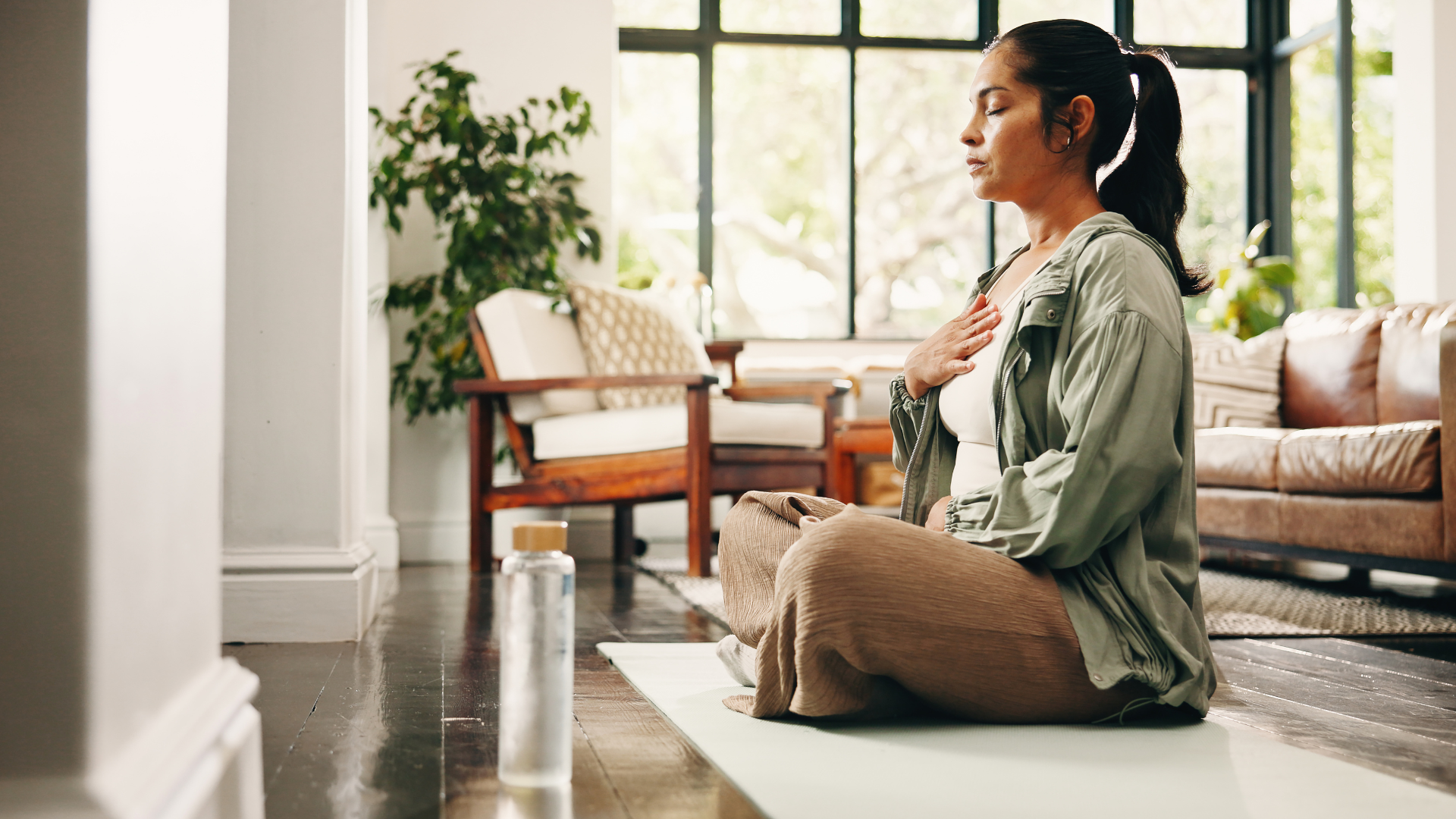
Something as simple as focusing on your breath, breathing in and out slowly through your nose, can help bring you back to the present moment. It sounds small, but small things practiced consistently can create real change.
One of the biggest benefits of meditation is stress reduction. We all carry stress, but when it builds up over time, it impacts both our emotional health and our physical health. It affects our sleep, our patience, our energy, and even how we heal.
Meditation helps create space between us and that stress. It allows us to respond instead of reacting.
It also supports brain health. When we take time to be still, we give our brains a chance to rest, reset, and recover. Better sleep quality improved emotional regulation, and a stronger sense of calm are all connected to that practice.
There is also something powerful in asking yourself: What do you want in this life?
Peace? Clarity? Better health? More patience? Less anxiety?
Meditation creates room for those questions. It helps us become more aware of what we are carrying and what we may need to let go of.
I have also found inspiration in practices like Vipassana meditation retreats, which focus deeply on self-awareness and observing thoughts without judgment. While not everyone will attend a retreat, the lesson behind it is valuable, learning to sit with yourself honestly and patiently.
Almost every excuse we make around meditation usually means we probably need it the most.
“I do not have time.”
“I cannot shut my brain off.”
“I am too stressed.”
That is usually the sign to try.
The key is not to start big. Start small.
Five minutes a day.
Focus on your breath.
In and out through your nose.
Consistency.
That is where change begins.
You do not need to be perfect at meditation. You just need to begin.
Because sometimes the most important thing we can do for our brain, our body, and ourselves, is simply pause.
Corbin Coulter
Brain Health Advocate