


The Pushor Mitchell LLP
West Coast
Brain Injury Conference
Beyond Treatment: Reimagining the Future of Brain Injury Care Through Community, Innovation and Collaboration
For 40 years, BrainTrust Canada has provided community-based brain injury services across the Okanagan , supporting survivors, caregivers, and families through life skills support, counselling, and community education.
Learn MorePushor Mitchell LLP is a proud title sponsor of WCBIC, bringing decades of Okanagan legal practice and a shared commitment to the communities the conference serves.
Learn MoreAfter 40 years, where do we go from here?
Join survivors, caregivers, first responders, researchers and community leaders for a day of learning and collaboration focused on the future of brain injury care. Explore practical ideas, build connections and help strengthen support for people living with brain injury.
Why Attend
Who Should Attend
Registration Options
Registration is processed securely through Eventbrite.
All prices are in Canadian dollars. GST and any booking fees are shown at checkout before you pay.
- Click Register Now to open the Eventbrite page.
- Choose the Group ticket and select 5 or more tickets in a single order. The $200 rate applies to every ticket in that order.
- Enter each attendee’s name and email at checkout so everyone receives their own ticket.
Need a single invoice for your organization? Contact marketing@braintrustcanada.com or call 250-762-3233.
Register NowSchedule at a Glance
Wednesday, October 21, 2026. All sessions take place on the Main Stage. Breakfast, breaks and lunch are in the venue foyer alongside the Innovation Village.
Session times are subject to change.
Leaders shaping the conversation
Listed in program order. Open any session or speaker to read more.
Brain Injury & Rehabilitation & Recovery

Dr. Brodie Sakakibara
Read bio
Dr. Sakakibara is an Associate Professor in the Department of Occupational Science and Occupational Therapy at the University of British Columbia and an Investigator with the Centre for Chronic Disease Prevention and Management at UBC Okanagan’s Southern Medical Program.
His research focuses on chronic disease self-management and prevention, with particular expertise in stroke recovery, secondary stroke prevention, telehealth and virtual rehabilitation. His work examines how behavioural interventions, patient-centred research and innovative clinical trial approaches can improve access to rehabilitation and support better long-term outcomes.
This expertise speaks directly to this year’s conference theme:
After 40 years—where do we go from here?
The future of brain injury care cannot depend solely on where someone lives, whether they can travel to a clinic or whether they remain connected to services after formal rehabilitation ends. Moving forward requires us to bring research into practice, use technology thoughtfully and build rehabilitation models that reach people in their own homes and communities.
Dr. Sakakibara’s work represents this innovation pathway: combining evidence, technology, prevention and patient experience to create more accessible and responsive systems of care.
We look forward to welcoming his research and perspective into this important national conversation about what comes next for brain injury care in Canada.
About the session
As healthcare works to embrace virtual models of care, innovative approaches to virtual rehabilitation are essential for improving access to evidence-based services for individuals living with the effects of stroke. In this session, Dr. Brodie Sakakibara will discuss the research evidence on virtual rehabilitation, including the benefits and challenges for stroke recovery, accessibility and inclusion. Attendees will learn about stroke recovery programs delivered using technology, as well as emerging research considerations.
Community Brain Injury Service Integration Project: From regional findings to a shared strategic table

Tanya Zeron
Read bio
Tanya Zeron is the Project Lead for the Community Brain Injury Service Integration (CBISI) project and has more than 16 years of experience working within the healthcare system. Tanya’s work focuses on brain injury, community engagement, service improvement, knowledge translation, and health system integration. Passionate about bringing together people with lived experience, caregivers, service providers, researchers, and health system leaders, Tanya works to strengthen brain injury services and supports through collaborative partnerships and innovative initiatives.

Dr. Tori Stranges
Read bio
Tori is a health researcher and faculty lecturer at UBC Okanagan in the Faculty of Health and Social Development whose work explores health systems, health equity, 2S/LGBTQIA+ health outcomes, health care access, brain injury, and intimate partner violence. Tori holds a Doctorate degree from UBC and a Masters degree from Brock University. Passionate about bridging research and community, Tori advocates for equity, connection, and person-centered care.
Kyla Gowenlock
About the session
The central purpose of this presentation is to demonstrate how meaningful engagement across sectors can move brain injury systems from discussion to implementation. Key messages include the value of co-designed service pathways, sustained cross-sector collaboration, and collaborative leadership structures, such as the Strategic Brain Injury Council, that support equitable access and ongoing system improvement for people living with brain injury.
Learning objectives
- Describe how engagement with survivors, caregivers, service providers, researchers, and health system leaders identified priorities and unmet needs that informed system improvement initiatives.
- Apply the Service and Support Pathway framework to their local context and assess opportunities for adaptation across urban, rural, and remote communities.
- Explore how collaborative partnerships can translate identified needs into sustainable solutions, including governance structures and provincial education initiatives that support ongoing system improvement beyond the project.
Rewired: Creativity, Connection, and the Brain’s Adaptive Capacity

Sab Curtis
Read bio
Sab Curtis is an adventuring artist and writer based in the Kootenay region of British Columbia. Before discovering her creative side, she worked in regional and international development as an environmental engineer, strategic planner, and program evaluator. Multiple traumatic brain injuries triggered an unexpected transition between these two life paths.
Painting became Sab’s unexpected silver lining while navigating her most recent traumatic brain injury. She put brush to canvas for the first time six years ago and hasn’t stopped since. She believes neuroplasticity helped her brain to overcome damaged pathways and emerge artistically, and her creative process has helped her comprehend the unplanned pivot in her life.
A two-year exhibition tour of Sab’s Rewired collection of art and poetry inspired an array of connections, a wider conversation, and an expanding community — proving that creativity can bridge adversity and build belonging. From this experience, Sab recently published Rewired, exploring how the brain, and the human spirit, can adapt through adversity (https://www.sabcurtis.com/rewired-book). Her book is an ongoing conduit to share hopeful messages and build connections.

About the session
What happens when brain injury drastically changes the course of a life—and unexpectedly reveals new pathways for healing?
Drawing from the memoir and art book Rewired, this presentation combines two decades of lived experience and reflection, with visual and literary art, to explore adaptation after traumatic brain injury. Through personal storytelling, vibrant expressions, and practical insights, participants will ponder how creativity can become a powerful tool for processing loss, rebuilding identity, fostering neuroplasticity, and creating meaningful community connections.
Rather than focusing solely on recovery, this session reframes brain injury as an ongoing journey of adaptation and discovery. Attendees will gain intimate appreciation of the invisible challenges of brain injury, the emotional realities of identity change, and the role creative expression can play in supporting resilience for survivors, families, clinicians, and service providers alike.
Aligned with the 2026 conference theme, “Beyond Treatment: Reimagining the Future of Brain Injury Care Through Community, Innovation and Collaboration,” this presentation demonstrates how connection and creativity can complement clinical care, reduce isolation, and inspire person-centred rehabilitation and long-term support.
No Closed Doors: Integrated Community Services for Clients with Complex Care Needs

Dr. John Higenbottam, PhD
Read bio
Dr. John Higenbottam is a clinical psychologist and neuropsychologist who has held several senior clinical leadership positions within British Columbia’s healthcare system, including Vice President of Vancouver Hospital and Health Sciences Centre, BC Rehabilitation Society and Riverview Hospital.
He is a Clinical Professor in the Department of Psychiatry at the University of British Columbia and President of the Brain Injury Alliance. He has also served as Editor-in-Chief of the Canadian Journal of Community Mental Health, Chair of Psychosocial Rehabilitation Canada and Co-Chair of the Canadian Alliance for Mental Illness and Mental Health.
Dr. Higenbottam’s clinical, academic and systems-level work focuses on developing and evaluating effective community-based services for people living with serious mental illness, brain injury and other complex care needs. He is a longstanding advocate for recovery-oriented, evidence-based systems that replace fragmented eligibility pathways with accessible, integrated care.
About the keynote
People living with the combined effects of brain injury, mental-health challenges and substance use frequently face fragmented systems and restrictive eligibility requirements. For too long, the presence of one condition has been used to exclude people from services designed to address another—creating what Dr. Higenbottam describes as a “no open door” system.
In this keynote address, Dr. Higenbottam will examine how communities can move toward a “no closed door” approach: one in which people with complex care needs can access coordinated clinical treatment, psychosocial rehabilitation and practical community supports through an integrated, wraparound model.
Building on decades of clinical leadership, research and system development, this keynote will explore the evidence, service principles and partnerships required to build more responsive community systems for people living at the intersections of brain injury, mental health and substance use.
When Brain Injury Disappears: Conceptualizing ABI in Canadian Criminal Courts

Mackenzie Anderson
Read bio
Mackenzie holds a Master of Arts in Human Rights and Social Justice and a Bachelor’s degree in Psychology. Her interest in acquired brain injury and justice initially developed through her work with the Kootenay Brain Injury Association, where she developed a particular interest in the intersection of brain injury, disability, and the criminal justice system. This experience became the foundation for her master’s thesis, Conceptualizing ABI within the Criminal Justice System, which examined how British Columbia criminal courts recognize and respond to defendants with ABI in judicial decision-making. Mackenzie currently works with the TRU Community Legal Clinic, connecting people navigating legal challenges with non-legal supports and community resources. Her work bridges community practice, research, and access to justice, with a focus on understanding and addressing systemic barriers experienced by underserved populations.
About the session
This presentation examines findings from the first known Canadian study to systematically analyze how British Columbia criminal courts conceptualize ABI in judicial decisions. Using qualitative content analysis, three dominant themes emerged: Acknowledgement of ABI, Ignoring ABI, and Risk. Together, these themes reveal a justice system that does not consistently recognize ABI, its functional impacts, or its relevance to culpability, sentencing, rehabilitation, and assessments of future risk.
The research explores how ABI can become obscured within judicial reasoning and how behaviours associated with neurological impairment may instead be interpreted as non-compliance, poor decision-making, or threats to community safety. Using case examples, the presentation considers the implications of these findings for more informed, equitable, and rehabilitative approaches to justice.
Rather than suggesting that legal professionals need to become medical experts, this presentation considers what these findings reveal about broader gaps in recognizing and responding to ABI within the justice system. It concludes by highlighting practical opportunities to improve awareness, recognition, and more individualized approaches to justice for people living with ABI.
Learning objectives
By the end of the session, participants will be able to:
- Describe how ABI is currently conceptualized in Canadian criminal court decisions, including the three themes of acknowledgement, ignoring ABI, and risk identified through the study.
- Recognize patterns that can cause ABI to disappear from judicial reasoning, particularly where brain injury intersects with substance use, trauma, violence, and assessments of culpability or risk.
- Identify the implications of these findings for justice outcomes, including the need for more informed approaches to understanding behaviour, rehabilitation, and the circumstances of people living with ABI.
Understanding Brain Injury Through the Lens of the Correctional System: From Partnership to Practice

Michelle McDonald
Read bio
Michelle McDonald is the Chief Executive Officer of Brain Injury Canada, bringing more than 25 years of experience in the non-profit sector, including 16 years dedicated to supporting the brain injury community. Under her leadership, Brain Injury Canada has grown into a leading national voice for individuals living with brain injury, their families, and the organizations that support them. Michelle also serves on several national advisory councils and research networks focused on brain injury, neurological health, accessibility, and rehabilitation, helping to shape policy, research, and system-level improvements across Canada.

Jason McIntyre
Read bio
Jason McIntyre is the Manager of Programs and Interventions with BC Corrections, where he provides leadership in the development, implementation, training, and quality assurance of evidence-based programs that support positive outcomes for individuals in correctional settings. In this role, he oversees program development, staff training initiatives, and strategic projects focused on effective intervention and service delivery. Prior to joining BC Corrections, Jason worked with BrainTrust Canada, where he developed a strong appreciation for the impact of acquired brain injury and the importance of building knowledge and awareness among helping professionals. He remains passionate about supporting staff in understanding brain injury, improving responsiveness, and enhancing outcomes for the individuals they serve. Drawing on experience in program development, training, and adult learning, Jason is committed to fostering informed, person-centered approaches across systems.

Emma Chiera
Read bio
Emma Chiera is the Manager of Strategic Initiatives at Brain Injury Canada. She led Brain Injury Canada’s “Understanding Brain Injury Through the Lens of the Correctional System” initiative with BC Corrections and is responsible for the project’s current nation-wide expansion. Emma has collaborated with multiple jurisdictions and legal centres across the country to bring awareness to the prevalence and risk of brain injury in incarceration. Her paper, “The Intersection of Intimate Partner Violence and Brain Injury”, which was published as a position statement on behalf of Brain Injury Canada, gained international attention and has been discussed at conferences across the nation. She is strongly committed to further investigating similar socio-economic factors that determine higher rates of brain injury in Canadians. Emma has extensive healthcare and nonprofit experience and holds a master’s degree in disability law focused on involuntary confinement and prison reform.
About the session
Individuals living with brain injury are significantly overrepresented in correctional settings, yet brain injury is often under-recognized and poorly understood. In 2023, Brain Injury Canada and BC Corrections came together to explore how education could help correctional staff better recognize and respond to brain injury.
Together, we developed and launched Understanding Brain Injury through the Lens of the Correctional System, an online course for probation, parole, and correctional staff. The course provides practical, accessible information about brain injury and its cognitive and behavioural impacts, along with strategies for communication and support.
Now, after two years of implementation and robust evaluation, Brain Injury Canada and BC Corrections will share what we have learned, not only about the training itself, but about what made the partnership work. We will have an informal conversation about how the initiative came together, what we learned from staff and participants, how the training has influenced practice, and how ongoing collaboration has shaped the program.
The session will also explore where we go from here, including opportunities to adapt and expand the training to other correctional systems across Canada. Most importantly, this is a conversation about partnership: what can happen when a government correctional system and a national brain injury organization bring their different perspectives, expertise, and experiences together to address a shared need.
From Injury to Prevention: Brain Injury, Gender-Based Violence and Community Healing

Kathryn Lacerte
About the session
What does it look like to move upstream—from responding to the impacts of violence to creating the conditions that help prevent violence in the first place?
In this session, Kathryn Lacerte shares the story of the Moose Hide Campaign, an Indigenous-led movement working to end domestic and gender-based violence by inviting men and boys—and all Canadians—into healing, accountability and action. Rooted in ceremony, story, relationship and Indigenous ways of knowing, the Campaign offers a community-based approach to prevention grounded in the belief that ending violence is a shared responsibility.
Kathryn will explore the Campaign’s Theory of Change and how something as simple as a small square of moose hide can become an invitation into courageous conversation, connection and action. She will consider how ceremony, storytelling, cultural practice and opportunities for men and boys to participate in healing can contribute to changing behaviours, relationships and social norms.
Learning objectives
- Understand the Moose Hide Campaign’s Indigenous, culturally grounded approach to preventing domestic and gender-based violence and engaging men and boys in healing and accountability.
- Explore how ceremony, storytelling, relationship and visible acts of commitment function within the Campaign’s Theory of Change to support individual, community and social change.
- Consider how brain-injury, healthcare, violence-prevention and community sectors can connect downstream response with upstream prevention to strengthen collective approaches to safety and healing.
One Step at a Time: A Multi-targeted Approach to Healing from Brain Injury
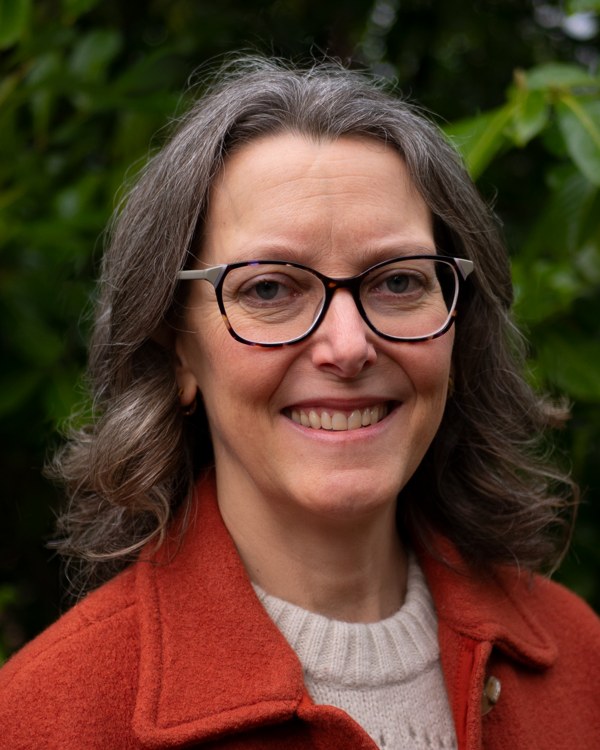
Lisa Lauter, BNSc, MPH
Read bio
Lisa Lauter, BNSc, MPH, is a health advocate, retired nurse, and survivor of autoimmune encephalitis. Her career in public health has taken her around the world, from Beijing, China, to Houston, Texas. Since 2020 she has served as a support group leader for the Autoimmune Encephalitis Alliance and is a member of the Living with AE Advisory Council.
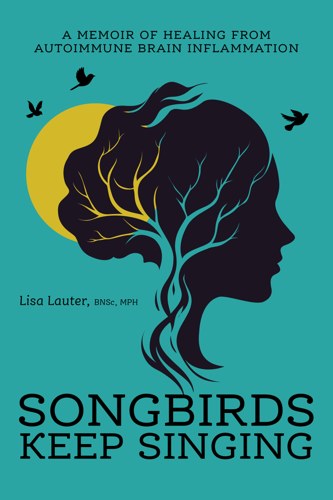
During her recovery she longed for a guidebook on healing —so she wrote the book she wished she’d had. Songbirds Keep Singing: A Memoir of Healing from Autoimmune Brain Inflammation is available now.
About the session
When strange neurological symptoms eventually led to a diagnosis of autoimmune encephalitis and brain injury, Lisa knew that she was going to need to do everything possible to recover.
With a background in nursing, she used her experience to research and explore how evidence-informed holistic approaches and numerous rehabilitation therapies could complement the conventional medicine that saved her life and lead to the best recovery possible.
In response to a healthcare system that often feels fragmented, in this session she shares the value of self-advocacy, the importance of building a healthcare team, and how approaching healing one step at a time can lead to recovery after brain injury.
Now What? From Identification to Recovery: What Multi-System Brain Injury Rehabilitation Requires in 2026

Natasha Wilch
Read bio
Natasha Wilch is a Registered Physiotherapist and one of Canada’s leading voices in concussion and brain injury rehabilitation. At Symphony Brain Performance, the Nanaimo clinic she founded, she works with complex, long-standing cases that other clinics have been unable to resolve – many of them people who had been told nothing more could be done.
That work led her to build Concussion Nerds, a training and mentorship platform now used by clinicians across Canada and internationally to learn how to assess and treat brain injury as a whole-system approach rather than a checklist of symptoms. A recipient of the Physiotherapy Leadership Award of BC, Natasha hosts the weekly Concussion Nerds Podcast, now past 100 episodes, and has spoken on brain injury care in Canada, the United States, Iceland and Spain.
About the session
Every conversation about brain injury in this country starts with identification: how many, where, and at what cost. Far fewer address what happens next.
Natasha Wilch has spent her career on the other side of that question. In this session, she brings the front-line clinical reality into the policy room: what modern, multi-system brain injury rehabilitation actually looks like, why treating symptoms in isolation fails the people we’ve worked so hard to find, and how an integrated approach — cervical, vestibular, visual, autonomic, cognitive, emotional — changes outcomes for the same populations described throughout the day.
Recovery is not a matter of luck or geography. It is a matter of access to care that treats the whole system. This session makes the case for what that care requires, and what it makes possible.
Learning objectives
By the end of this session, participants will be able to:
- Articulate the human and financial cost of delayed and fragmented brain injury care — what happens to a person’s recovery, employment and independence when they are assessed system by system, and what that trajectory costs the health, insurance and social systems that ultimately absorb it.
- Recognize the features of effective multi-system rehabilitation — what a thorough assessment includes, how findings are sequenced into treatment, and what distinguishes it from the fragmented care most British Columbians currently receive.
- Identify the system-level conditions — funding structures, referral pathways, clinician training — that determine whether people identified as brain-injured actually reach care that works.
Seeing Recovery Differently: Neuro-Visual Rehabilitation Following Brain Injury

Dr. Paul Rollett
Read bio
Dr. Rollett, an optometrist with a special interest in visual rehabilitation, draws inspiration from the dedicated work of the Brain Trust Canada team. Over the past decade in Kelowna, he has committed himself to helping individuals navigate visual challenges following brain injuries. Recognizing the importance of community involvement, empathy, and dedication in aiding those affected by brain injuries, he feels privileged to contribute to the efforts of this organization.
About the session
Brain injury is commonly discussed through cognition, headache, balance, mood and fatigue, yet vision is integral to reading, computer use, driving, navigation, balance, work and school. This presentation combines lived experience with an examination of how the evidence for neuro-visual rehabilitation has evolved over the past decade. The focus is not that every person with concussion requires vision therapy, but that persistent visual dysfunction should be identified, appropriately diagnosed and treated according to the best available evidence.
Planning for Life’s What Ifs

Julia Norman

Karen Fenske

Bryan Fitzpatrick
October 21, 2026 at Metro Hub, Kelowna
Register NowConnect with a highly engaged audience
WCBIC offers sponsorship packages for organizations that share our commitment to Innovative Solutions: Community-Built Partnerships for Systems Transformation. Sponsors aligned with brain injury awareness, healthcare, justice, housing, and community impact receive meaningful visibility throughout the conference and across this website.

Kelowna, British Columbia

Daily parking: $7.75
Early bird parking (arrive before 9am, valid until 6pm): $12

BrainTrust Canada is committed to a welcoming, accessible experience for every attendee. Please share any accessibility needs, dietary restrictions, or accommodation requests during registration so our team can support your participation.
Every attendee is entered for door prizes at the end of the conference.
Frequently Asked Questions
Is lunch included?
Can I register multiple people from my organization?
Are invoices or receipts available?
What if I have dietary restrictions?
What is the refund policy?
Who can I contact with questions?
Join Us in Kelowna
Be part of a growing conversation about brain injury, innovation, and community leadership.
Register Now